24/7 crews pull standing water and dry your ceiling before mold starts

Roof Leak Water Extraction in Florida, done right the first time

Roof Leak Water Extraction in Florida starts the moment you call, not the next business day. Our IICRC-certified technicians pull standing water out of ceilings, attics and wall cavities with truck-mounted extractors, then dry the structure to the ANSI/IICRC S500 standard. Whether you're in Fort Lauderdale after a summer squall or in Winter Haven after a slow drip finally gave way, we handle the extraction, the drying and the paperwork your insurer wants.

↗
Fast online booking

Request service today

Tell us what is happening. Our local team will confirm your visit shortly.

No spam. No obligation. Just practical help.
Thanks — we'll call shortly to confirm your visit.
Trusted water damage restoration
Careful work. Honest options.
About this service

What Roof Leak Water Extraction in Florida actually involves

Roof Leak Water Extraction in Florida is the process of removing trapped water from ceilings, attic decking, insulation, drywall and wall cavities after rain pushes past a failed roof, flashing or underlayment. It is not a bucket-and-towel job. Water that pools above a ceiling spreads sideways along joists, so a stain the size of a dinner plate often hides 40 to 80 square feet of saturated material. We use moisture meters and thermal imaging cameras to map the real footprint before we cut anything.

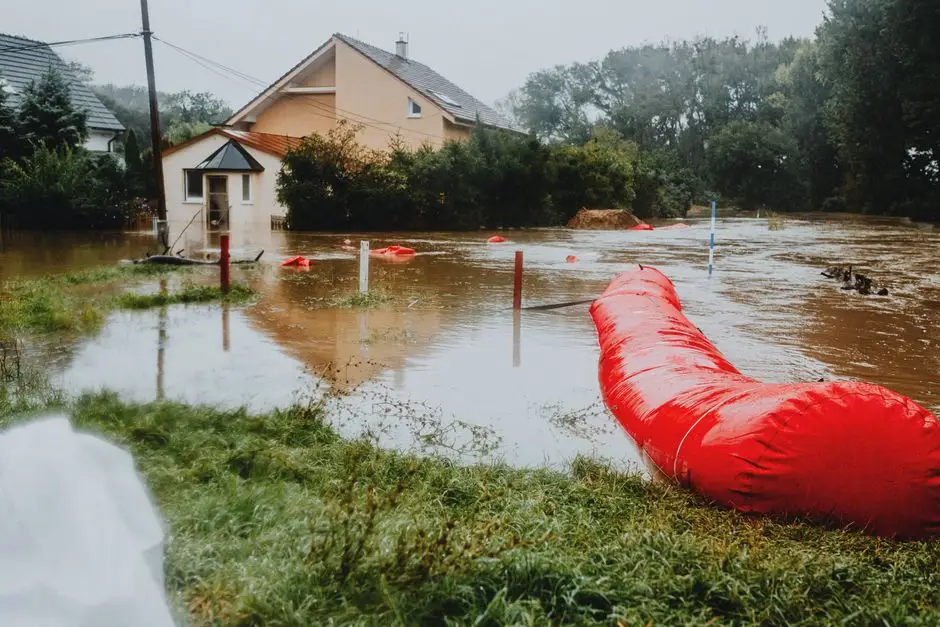
Florida homes take roof leaks differently than homes up north. Flat and low-slope roofs on 1980s and 1990s builds in West Palm Beach and Plantation trap water behind the membrane. Tile roofs in Wellington and Royal Palm Beach hide broken underlayment for months. And after a named storm, ceilings in Cooper City and Kendall West can hold water for days before the first brown ring shows. That delay is why Florida roof leak flood cleanup has to start fast, before humidity turns a wet ceiling into a mold job.

  • ✓ Water out in hours
  • ✓ Mold stopped early
  • ✓ Insurance-ready documentation
  • ✓ Ceilings saved, not replaced
What's included

What our roof leak water extraction service includes

Every roof leak water extraction job includes the full scope below. If your situation needs something extra, like mold remediation or a roofer, we tell you upfront and give you a price before we add it. No surprise line items on the final invoice.

✓

Moisture mapping and photos

We use a moisture meter, thermal imaging camera and borescope camera to find every wet zone, including the ones behind finished walls. You get photos and a written moisture map before equipment is set, so you know exactly what we found and where.

✓

Standing water extraction

A truck-mounted water extractor handles the bulk of the water. Portable extraction units, a wet/dry vacuum and a water pump reach attic pans, closets and above-ceiling trays. Absorbent pads go under slow drips that keep running while the roof repair is scheduled.

✓

Structural drying setup

Air movers, a desiccant dehumidifier and, when needed, floor drying mats and wall cavity drying vents go to work. We set a drying goal based on the ANSI/IICRC S500 standard and check it daily with an infrared thermometer and moisture meter.

✓

Antimicrobial treatment

Affected framing and drywall get an antimicrobial solution and deodorizer to stop mold growth before it starts. If mold is already present, we bring in an IICRC AMRT certified technician and follow the proper containment protocol with plastic sheeting and HEPA air scrubbers.

✓

Daily monitoring and logs

We check moisture readings every day and log temperature and humidity. You get a daily update, and the logs go straight into your claim file. Most ceilings hit dry standard in three to five days depending on how long the water sat.

✓

Insurance documentation package

Photos, moisture maps, daily logs and an Xactimate scope are compiled into one package your adjuster can process. We bill most carriers directly and explain your deductible before work starts, so there are no surprises on the back end.

How it works

How our roof leak water extraction process runs

01

Call and triage

You call, we answer. Within the first five minutes we ask where the water is showing, whether the ceiling is bulging, and whether the power is safe. If water is near a light fixture or a ceiling is sagging, we tell you to kill that breaker and stay out of the room. A crew is dispatched with the right equipment for your roof type and square footage.

02

Inspection and moisture mapping

On arrival we use a moisture meter and a thermal imaging camera to find every wet zone, including the ones you cannot see. A borescope camera goes into wall cavities and above ceiling drywall. You get a written scope with square footage, moisture percentages and photos before any equipment is set. This typically takes 30 to 60 minutes.

03

Extraction and water removal

We pull standing water with a truck-mounted water extractor, then switch to portable extraction units and a wet/dry vacuum for tight spaces. A water pump handles any pooled water in attic pans or above-ceiling trays. Absorbent pads go down under slow drips. Most residential extractions finish in two to four hours.

04

Structural drying and monitoring

Air movers, a desiccant dehumidifier and, when needed, floor drying mats and wall cavity drying vents go to work. We set a drying goal based on the ANSI/IICRC S500 standard and check moisture readings daily with an infrared thermometer and moisture meter. You get a daily update. Most ceilings hit dry standard in three to five days.

05

Final verification and report

We take final moisture readings, confirm the structure is back to dry standard, and remove our equipment. You receive a full documentation package: photos, daily logs, moisture maps and the Xactimate scope. If a roofer needs to make repairs, we tell you what we found so the fix targets the actual entry point, not a guess.
Tools & methods

Tools and methods we use on every job

Purpose-built equipment, used by trained technicians — so the job is done accurately the first time.

Truck-mounted water extractor

Pulls 20 to 60 gallons of standing water from a saturated ceiling or floor in a single visit. It is the fastest way to get bulk water out before drying equipment goes in.

Thermal imaging camera and moisture meter

Finds wet zones behind finished walls and above ceilings that the eye cannot see. Every reading is logged and photographed for your claim file.

Borescope camera

Goes inside wall cavities and above ceiling drywall to confirm whether the framing is wet. It tells us whether we can dry in place or need to open the wall.

Desiccant dehumidifier and air movers

Pulls moisture out of the air and drives airflow across wet surfaces. This is the core of the dry-down and the reason a ceiling can dry without being cut out.

Floor drying mats and wall cavity drying vents

Dry hardwood, tile subfloor and wall cavities without demolition. They save homeowners thousands in repair costs when the water reached the floor or the wall.

HEPA air scrubber

Filters mold spores and dust out of the air during the dry-down. We run one whenever mold growth is possible or already present.

Real results

Before and after.

Fort Lauderdale ceiling saved from tear-out

Before

A storm pushed water through a flat roof and the hallway ceiling was bulging with about 30 gallons trapped above the drywall. The homeowner was told by another company the ceiling had to come down.

After

We released the water in a controlled puncture, extracted with a truck-mounted unit, and dried the ceiling in place with air movers and a desiccant dehumidifier. Moisture readings hit dry standard in four days. No drywall replacement needed.

Wellington attic dried without insulation loss

Before

A slow tile roof leak soaked the attic insulation and decking over the guest room. The homeowner noticed a musty smell but no visible stain, and the leak had been running for weeks.

After

We removed the saturated insulation, extracted standing water from the attic pan, treated the framing with antimicrobial solution, and dried the decking with air movers and a desiccant dehumidifier. Dry standard in five days.

Cooper City storm leak documented for claim

Before

Wind-driven rain from a named storm soaked two walls and the ceiling of a Cooper City home. The homeowner had no idea where the water entered and the insurer wanted proof of the moisture footprint.

After

We mapped the moisture with thermal imaging and a moisture meter, dried the walls with cavity vents and the ceiling with air movers, and delivered a full Xactimate scope with daily logs. The claim was approved in nine days.

Problems we solve

Problems we solve for Florida roof leak water removal

A roof leak in Florida rarely stays a small problem. Here are the four situations we see most often, and what happens if they are left alone.

Ask a pro →
01

Ceiling stain that keeps growing after rain

We extract the trapped water, dry the ceiling in place with floor drying mats and air movers, and tell you exactly where the roof is failing so your roofer fixes the right spot. Most ceilings dry in three to five days without a cut.

↗
02

Attic insulation soaked and sagging

We remove saturated insulation, extract standing water from the attic pan, dry the decking and framing, and document what needs to be replaced. We use a borescope camera to check the wall cavities below before we call the job dry.

↗
03

Water running down interior walls

We use thermal imaging and moisture meters to map the cavity, then dry it with wall cavity drying vents and a desiccant dehumidifier. We check the baseboard and flooring below for hidden moisture before we pull equipment.

↗
04

Storm-driven leak with no visible entry point

We document the moisture pattern and photograph the wet zones so your roofer knows where to look. Our report includes the moisture map and thermal images, which is often enough for a roofer to find the entry point on the first visit.

↗
Proof you can check

Licensed, certified and documented

✓
IICRC WRT (Water Restoration Technician)IICRC
✓
IICRC ASD (Applied Structural Drying)IICRC
✓
IICRC AMRT (Applied Microbial Remediation Technician)IICRC
✓
Florida Mold-Related Services License (MRSA)Florida Department of Business and Professional Regulation (DBPR)
✓
EPA Lead-Safe CertificationU.S. Environmental Protection Agency
Customer reviews

Reviews from Florida homeowners

★★★★★
“A storm pushed water through our flat roof and the ceiling in the hallway started to sag. Florida Aero Dry Restoration had a crew here in under two hours. They pulled about 30 gallons, set air movers and a dehumidifier, and checked moisture every day for four days. The ceiling dried without a single cut. Our adjuster approved the claim without a single question.”
MR

Marisol R.Homeowner, Fort Lauderdale

✓ Verified
★★★★★
“I manage six rental units and a roof leak hit two of them the same weekend. They handled both addresses, documented everything in Xactimate, and billed the carrier directly. My owners got their payout in nine days. I have used three other restoration companies in this market and none of them moved this fast.”
AK

Angela K.Property Manager, West Palm Beach

✓ Verified
Good questions

Frequently Asked Questions

+18555742638 →

Most residential roof leak water extraction jobs in Florida run $450 to $1,800 in 2026, depending on how much water is trapped and how many rooms are affected. A single ceiling with a small wet zone often lands near the low end. A ceiling plus attic decking plus two walls pushes toward the high end. If the leak is covered by your homeowners policy, you typically pay only your deductible.

A licensed water restoration company removes it, not a roofer. Roofers fix the entry point; restoration crews extract the water and dry the structure. Florida Aero Dry Restoration handles the extraction, structural drying and documentation, and we tell you what the roofer needs to repair so the leak does not return. Call us first so the water stops spreading while the roof repair is scheduled.

Heavy Florida rain finds the weakest point: failed flashing, cracked tile underlayment, clogged valley drains or a lifted shingle edge. On flat and low-slope roofs, water can pond behind the membrane and push through a seam that looks fine from the ground. Wind-driven rain during a named storm forces water sideways into places a normal rain never reaches. That is why the leak shows up only in the worst storms.

Most Florida homeowners policies cover the water damage from a sudden roof leak, including extraction and drying, even when the roof repair itself is excluded for wear and tear. The key is documentation. We photograph moisture readings, log daily drying data and write the scope in Xactimate so your adjuster has what they need. We bill most carriers directly and explain your deductible before work starts.

Where we deliver this service

Cities we serve for roof leak water extraction in Florida

Florida Aero Dry Restoration delivers roof leak water removal services Florida homeowners and property managers can count on, from the Atlantic coast to the interior. Our crews run out of regional hubs so response times stay short across the state. Here are some of the communities we serve most often.

Fort LauderdaleFlat and low-slope roofs near the beach take on water fast during summer storms. We extract, dry and document, and we know which flashing details fail first in salt air.View area →West Palm BeachOlder homes and 1990s builds both show up here, and both hide roof leaks differently. We map the moisture footprint before we set equipment so nothing gets missed.View area →PlantationFlat-roof sections on 1980s and 1990s homes pond water behind the membrane. We extract the trapped water and dry the ceiling in place whenever the material allows.View area →WellingtonLarge tile roofs and long ridge lines mean more underlayment to fail. We check the whole ceiling, not just the visible stain, and document what your roofer needs to fix.View area →Winter HavenInterior Florida homes see slow leaks that run for weeks before a stain shows. We use thermal imaging and a moisture meter to find the real wet zone fast.View area →The VillagesYear-round residents here notice leaks early, which means we often dry in place instead of cutting drywall. Fast calls save ceilings and money.View area →Royal Palm BeachTile roof underlayment failures are common in this area. We extract the trapped water, treat the framing with antimicrobial solution, and dry to verified standard.View area →Palm SpringsStorm-driven rain forces water into flashing and seams that look fine from the ground. We document the moisture pattern so your roofer finds the entry point on the first visit.View area →Golden GateRural and semi-rural construction here means different moisture patterns. We check wall cavities and attic decking with a borescope before we call any job dry.View area →ImmokaleeWell water and older construction change how we approach a roof leak. We test surfaces, follow EPA Lead-Safe protocol when needed, and document everything for your claim.View area →Temple TerraceOlder homes with original roof decks need careful handling. We keep EPA Lead-Safe Certification on file and test before we cut into painted surfaces.View area →Cooper City1990s construction with flat and low-slope sections traps water above ceilings. We extract fast and dry in place to avoid a full drywall replacement.View area →FountainebleauDense residential blocks mean roof leaks can affect attached structures. We check neighboring walls and shared framing before we pull equipment.View area →Florida CitySouth Miami-Dade homes take heavy storm rain. We respond 24/7, extract with truck-mounted equipment, and dry to the ANSI/IICRC S500 standard.View area →Kendall WestCeilings here can hold water for days before the first brown ring shows. We map the moisture with thermal imaging and start the dry-down the same visit.View area →
Ready when you are

Call now for Roof Leak Water Extraction in Florida

Every hour a wet ceiling sits, the damage grows. Call Florida Aero Dry Restoration and a live dispatcher will get a certified crew moving to your address with extraction equipment ready. We answer 24/7, we bill most insurers directly, and we document everything your adjuster needs.

Get Emergency Help +18555742638 →
Request an appointment

Contact Florida Aero Dry Restoration

Call us any time, day or night. We answer 24/7 and dispatch crews across Florida with truck-mounted extractors and drying equipment. Most addresses see a tech within the hour. If you prefer email, send photos of the damage and we will get back to you fast with next steps.

Call anytime+18555742638Email the office[email protected]
Office hoursOpen 24 hours · 7 days a week
Request received — our team will be in touch shortly.
Tap to call+18555742638