24/7 pumping, extraction and structural drying across the state

Flooded Basement Water Extraction in Florida, Done Right the First Time

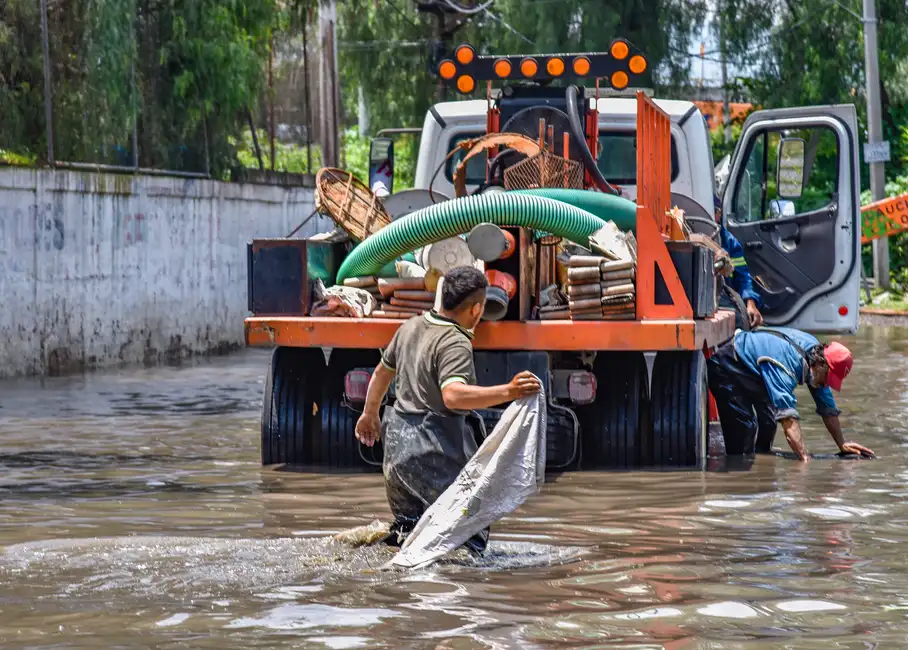
When your basement takes on water, every hour counts. Our crews deliver Flooded Basement Water Extraction in Florida for homeowners, landlords and property managers, from Tampa to Key West. We pump standing water, pull moisture out of concrete and block, and dry the space with calibrated equipment so mold never gets a foothold. One call, and we roll.

↗
Fast online booking

Request service today

Tell us what is happening. Our local team will confirm your visit shortly.

No spam. No obligation. Just practical help.
Thanks — we'll call shortly to confirm your visit.
Flooded Basement Water Extraction you can count on
Careful work. Honest options.
About this service

What Flooded Basement Water Extraction in Florida Really Involves

Flooded Basement Water Extraction in Florida is the process of removing standing water from a below-grade space, then drying the slab, walls and framing to ANSI/IICRC S500 standards so the structure does not rot or grow mold. It is not a shop vac job. We start with a truck-mounted water extractor and a portable extraction unit for tight stairwells, then map hidden moisture with a thermal imaging camera and a pin-type moisture meter before we call anything dry.

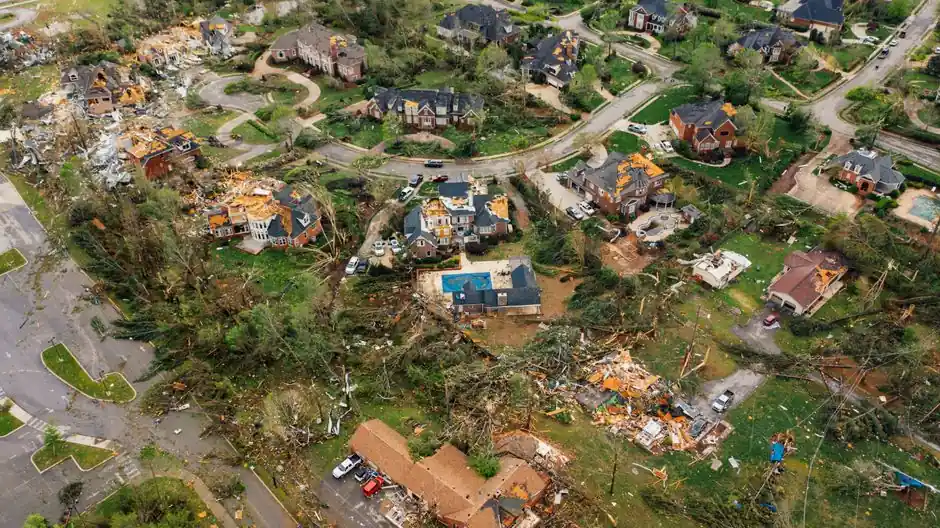
Florida basements flood for reasons that have nothing to do with a river: a burst pipe behind the laundry wall, a slab leak under the vinyl, a toilet overflow on the first floor that finds the stairwell, or storm surge pushing through a floor drain during a hurricane. If you are searching for how to remove water from a flooded basement in Florida, the answer is fast extraction plus controlled drying, not fans and hope. We handle Florida flooded basement water removal for single-family homes, duplexes and small commercial buildings across the state.

  • ✓ Water Out in Hours
  • ✓ Drying, Not Just Pumping
  • ✓ Mold Stopped Early
  • ✓ Paperwork That Pays
What's included

What Is Included in Flooded Basement Water Extraction

Every job includes the full extraction and drying cycle, not just pumping. Here is what is covered on a standard call, and what we handle as an add-on when the situation calls for it.

✓

Source Identification

We find where the water is coming from before we extract. A thermal imaging camera and borescope camera trace the leak behind walls and under slabs. If the source is still active, we isolate it so we are not pumping water that keeps coming back.

✓

Standing Water Extraction

Truck-mounted water extractor for bulk water, portable extraction unit for tight spaces, and a water pump for anything the extractor cannot reach. We pull water out of carpet, pad, concrete pores and floor drains.

✓

Structural Drying Setup

Air movers along the walls, a desiccant dehumidifier for the humid air, and wall cavity drying vents behind finished walls. Floor drying mats go down on hardwood or engineered flooring. We monitor moisture readings daily until the structure hits dry standard.

✓

Antimicrobial Treatment

Antimicrobial solution applied to the slab, lower wall cavities and any framing that was wet. A HEPA air scrubber runs during the dry to capture airborne spores. This is what keeps a wet basement from turning into a mold job.

✓

Moisture Documentation

Photo set, moisture maps, daily readings and a drying report. Everything you need for an insurance claim, a landlord dispute or your own records. We hand it to you the day we pull equipment.

✓

Debris and Pad Removal

We bag and remove wet carpet, pad, absorbent pads and any ruined porous materials. Plastic sheeting and containment come down when the job is done. You get the space back, not a pile of wet debris in the corner.

How it works

Our Flooded Basement Water Extraction Process

01

Call and Triage

You call, we ask three questions: is the water still coming in, is there sewage in it, and is the power safe. That tells us whether to bring a water pump, a sewage-rated crew, or both. We give you a straight arrival window and tell you to kill the breaker to the basement if you can reach it safely.

02

Inspect and Map

On arrival we walk the space with a thermal imaging camera and a borescope camera to find the source and the wet boundary. A moisture meter reading goes on the wall every 4 feet. This takes 20 to 30 minutes and it is what keeps us from missing a wet wall cavity behind finished paneling.

03

Extract the Water

We run a truck-mounted water extractor for the bulk of the water and switch to a portable extraction unit or wet/dry vacuum for stairwells and closets. Standing water is gone first, then we pull water out of carpet, pad and the concrete pores with weighted extraction passes.

04

Dry and Monitor

Air movers go along the walls, a desiccant dehumidifier handles the humid Florida air, and wall cavity drying vents push air behind finished walls. We check moisture readings every morning and adjust until the slab reads dry against an unaffected control area. Three to five days is typical.

05

Sanitize and Document

Once dry, we apply antimicrobial solution and deodorizer, wipe down hard surfaces, and pull any absorbent pads and plastic sheeting. You get a moisture log, photo set and drying report the same day, ready to hand to your adjuster or your landlord.
Tools & methods

Tools and Methods We Use

Purpose-built equipment, used by trained technicians — so the job is done accurately the first time.

Truck-mounted water extractor

Pulls 20 to 60 gallons a minute for bulk water removal. It is the fastest way to get standing water out of a basement before it wicks into the walls.

Portable extraction unit

For stairwells, closets and tight basement corners the truck mount cannot reach. Same suction power in a smaller footprint.

Desiccant dehumidifier

Pulls moisture out of hot, humid Florida air that a refrigerant dehumidifier cannot handle. Essential for drying basements in August.

Thermal imaging camera

Finds hidden moisture behind walls, under floors and around the source. We use it on every job to map the wet boundary before we start.

Borescope camera

Inspects inside wall cavities and under slabs without tearing anything out. It tells us whether the framing is wet and how far the water traveled.

Moisture meter

Pin-type readings on the slab and walls, logged daily. This is how we prove the structure is dry against an unaffected control area.

HEPA air scrubber

Captures airborne mold spores and dust during the dry. Runs continuously on any job where mold is present or suspected.

Real results

Before and after.

Burst Supply Line in a Tampa Basement

Before

A supply line behind the laundry wall let go overnight. The homeowner found four inches of water in a 400-square-foot finished basement, with wet carpet, saturated drywall and water wicking up the block walls.

After

We extracted the standing water in three hours, removed the wet carpet and pad, cut a flood line on the drywall, and dried the framing with air movers and a desiccant dehumidifier. Moisture readings hit dry standard in four days.

Sewage Backup in a Gainesville Rental

Before

A floor drain backed up during a heavy storm and pushed sewage into a 300-square-foot basement used for storage. The tenant called it in the next morning, and the smell had already spread through the house.

After

We extracted with dedicated equipment, removed all contaminated porous materials, applied antimicrobial solution to the slab and lower walls, and ran a HEPA air scrubber for 48 hours. The space was dry and odor-free in five days.

Slab Leak in a Palm Beach Gardens Home

Before

A pinhole leak in a copper line under the basement slab soaked a 200-square-foot area. The laminate flooring was lifting and the baseboards were damp, but there was no standing water.

After

We worked with a licensed plumber to isolate and repair the line, then extracted the residual water, dried the slab with floor drying mats and air movers, and confirmed dry readings in three days. The flooring was replaced after the slab was dry.

Problems we solve

Basement Water Problems We Solve Across Florida

Most basement floods come from a short list of causes. Here is what we see most often and what happens if you leave it alone.

Ask a pro →
01

Burst pipe behind a finished basement wall

We locate the break with a thermal imaging camera, isolate the line, extract the water and dry the wall cavity with vents and air movers. If the drywall is saturated past saving, we remove it, dry the framing and document the loss for insurance.

↗
02

Sewage backup through a basement floor drain

We treat it as a contaminated loss: dedicated extraction equipment, removal of all porous materials, antimicrobial solution on the slab and walls, and a HEPA air scrubber to clear the air. We document the scope so your carrier sees exactly what was done.

↗
03

Storm surge and hurricane water intrusion

We pre-stage crews before landfall and run extraction and drying through the recovery window. Truck-mounted extractors pull the bulk water, desiccant dehumidifiers handle the humid air, and we log readings until the structure is dry.

↗
04

Slab leak under a basement floor

We work with a licensed plumber to isolate and repair the line, then extract the water, dry the slab with floor drying mats and air movers, and check the surrounding framing for wicking. Moisture readings confirm the slab is dry before we leave.

↗
Proof you can check

Licensed, Certified, Insured

✓
IICRC WRT (Water Restoration Technician)Institute of Inspection, Cleaning and Restoration Certification
✓
IICRC ASD (Applied Structural Drying)Institute of Inspection, Cleaning and Restoration Certification
✓
IICRC AMRT (Applied Microbial Remediation Technician)Institute of Inspection, Cleaning and Restoration Certification
✓
Florida Mold-Related Services License (MRSA)Florida Department of Business and Professional Regulation
✓
Florida Licensed Mold Remediator (MRSR)Florida Department of Business and Professional Regulation
Customer reviews

What Florida Homeowners Say

★★★★★
“A supply line let go behind the laundry wall at 11 p.m. and we had four inches in the basement by midnight. The crew was here in under an hour, pumped it out, and set up drying equipment. Five days later the slab read dry and the moisture log went straight to my adjuster. No mold, no drama.”
MT

Marcus T.Homeowner, Tampa

✓ Verified
★★★★★
“After the last storm, our basement took on water through the floor drain. They ran a truck-mounted extractor and a desiccant dehumidifier for four days and pulled moisture readings every morning. The space is dry and there is no smell. Worth every dollar.”
PS

Priya S.Homeowner, Palm Beach Gardens

✓ Verified
Good questions

Frequently Asked Questions

+18555742638 →

Most residential basements run $1,200 to $4,500 for extraction and drying, with typical 2026 pricing in the $1,800 to $3,200 range for a 500-square-foot space. Sewage-contaminated water, finished walls and long dry times push it higher. If the loss is covered, your insurance usually pays most of it, and we bill carriers directly.

Call a licensed water restoration company, not a general handyman. You want IICRC-certified techs, commercial extraction and drying equipment, and a company that documents the loss for insurance. We handle emergency flooded basement cleanup near me Florida calls 24/7, and we carry the licensing and insurance to work in any county in the state.

Extraction takes two to four hours for a typical basement. Structural drying runs three to five days with air movers and a desiccant dehumidifier running continuously. Florida humidity can stretch that to six or seven days if the walls are finished or the slab is thick. We check moisture readings daily and do not pull equipment until the numbers hold.

Usually yes for a burst pipe, appliance leak, toilet overflow or roof leak. Standard Florida policies exclude rising surface water and storm surge unless you carry separate flood coverage through NFIP or a private carrier. We photograph the source, document the moisture and build an Xactimate scope so your adjuster can approve the claim quickly.

Where we deliver this service

Cities We Serve for Flooded Basement Water Extraction

We deliver basement water extraction services Florida homeowners can count on, from the Panhandle to the Keys. Crews stage out of multiple hubs so we can reach most of the state within a few hours. Here are a few of the markets we cover.

TampaOlder block homes and finished basements make Tampa a slab leak and supply line market. We run wall cavity drying vents and desiccant dehumidifiers to handle the summer humidity.View area →GainesvilleStudent rentals and older homes near the university flood from floor drains and appliance leaks. We work with landlords and property managers on documented scopes for insurance.View area →Spring HillHigh water table and sandy soil mean storm water finds a way into basements here. We check floor drains for hydrostatic pressure before we set equipment.View area →Palm HarborCoastal homes with shallow crawl spaces and slab-on-grade construction. We use borescope cameras to check framing before we call the job dry.View area →Bonita SpringsStorm surge and heavy summer rain push water through floor drains in this coastal market. We pre-stage crews before landfall and run extraction through the recovery window.View area →Port OrangeMix of older and newer construction near the coast. We adjust drying setups based on whether the basement has a vapor barrier or exposed slab.View area →ValricoSuburban homes with finished basements and irrigation systems that fail. We handle supply line breaks and slab leaks with full documentation for insurance.View area →Palm Beach GardensHigh-end homes with finished basements and slab leaks. We coordinate with plumbers, dry the slab with floor drying mats, and confirm readings before we leave.View area →Hunters CreekNewer construction with sealed vapor barriers. Water pools on the slab rather than soaking in, so extraction is fast but drying still takes three to four days.View area →WestchaseOlder block homes with finished basements and a history of slab leaks. Wall cavity drying vents are usually needed to dry the framing without a full tear-out.View area →Citrus ParkShallow crawl spaces and mixed building stock. We inspect the crawl space framing with a borescope camera before we sign off on the dry.View area →Panama CityHurricane country. Storm surge and wind-driven rain cause the biggest basement losses here, and we pre-stage crews before every named storm.View area →West Little RiverHigh water table in this part of Miami-Dade. Floor drains back up during heavy rain, and we see storm surge intrusion during hurricane season.View area →Key WestIsland construction and extreme humidity. We run desiccant dehumidifiers and extended dry times to handle the salt air and year-round moisture.View area →Palmetto EstatesSouth Miami-Dade market with slab-on-grade homes and a high water table. We check for hydrostatic pressure and dry the slab with floor drying mats.View area →
Ready when you are

Call Now for Flooded Basement Water Extraction in Florida

Standing water in your basement gets worse every hour. Our crews are on call 24/7 across Florida, licensed, insured and ready to extract and dry. One call and we roll.

Get Emergency Help +18555742638 →
Request an appointment

Contact Florida Aero Dry Restoration

Call us any time, day or night. We answer 24/7 and dispatch crews across Florida with truck-mounted extractors and drying equipment. Most addresses see a tech within the hour. If you prefer email, send photos of the damage and we will get back to you fast with next steps.

Call anytime+18555742638Email the office[email protected]
Office hoursOpen 24 hours · 7 days a week
Request received — our team will be in touch shortly.
Tap to call+18555742638