Residential Water Damage Extraction in Bayshore Gardens
Most of our Bayshore Gardens work is residential. This community is a mix of older block homes, manufactured housing, and canal-front properties, and each one has its own water damage risks. Block homes have aging plumbing and slab leaks. Mobile homes have skirting and belly board issues. Canal-front houses take on storm surge. We handle all of them with the same equipment and the same standard. When your home floods, you want it dry, documented, and back to normal. We do that work every week in Bayshore Gardens.
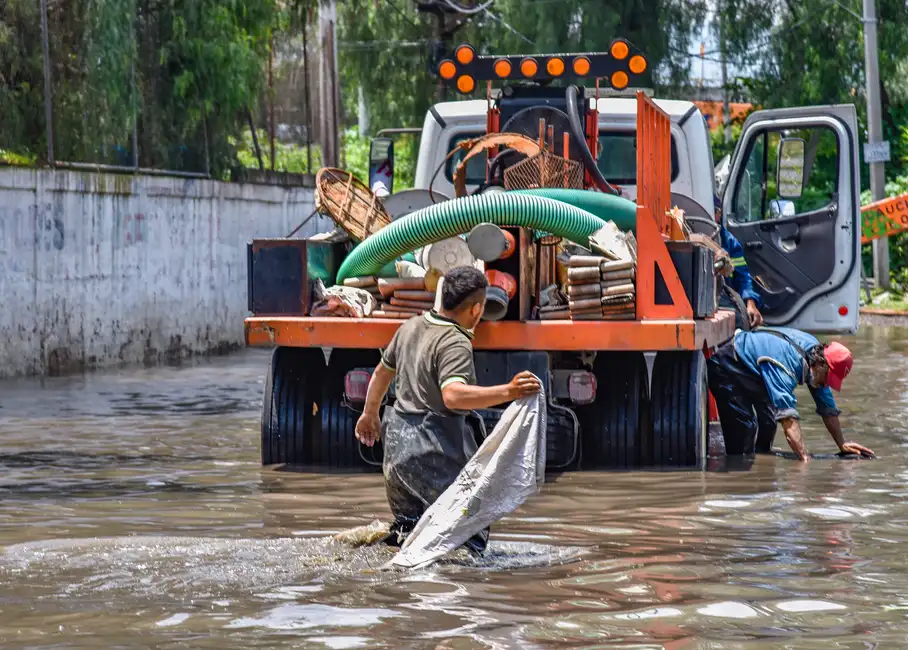
When water is standing in your Bayshore Gardens home, we extract it fast with truck-mounted and portable units. We pull water from carpet, tile, hardwood, and concrete, then check the moisture with meters and thermal cameras. We set air movers and dehumidifiers to dry the structure and prevent mold from starting.
Older Bayshore Gardens homes have galvanized and copper lines that fail without warning. When a pipe bursts inside a wall or under a slab, we find the break with a borescope camera, extract the water, and dry the cavity. We clamp the line so your plumber can make the permanent repair without delaying the dry-out.
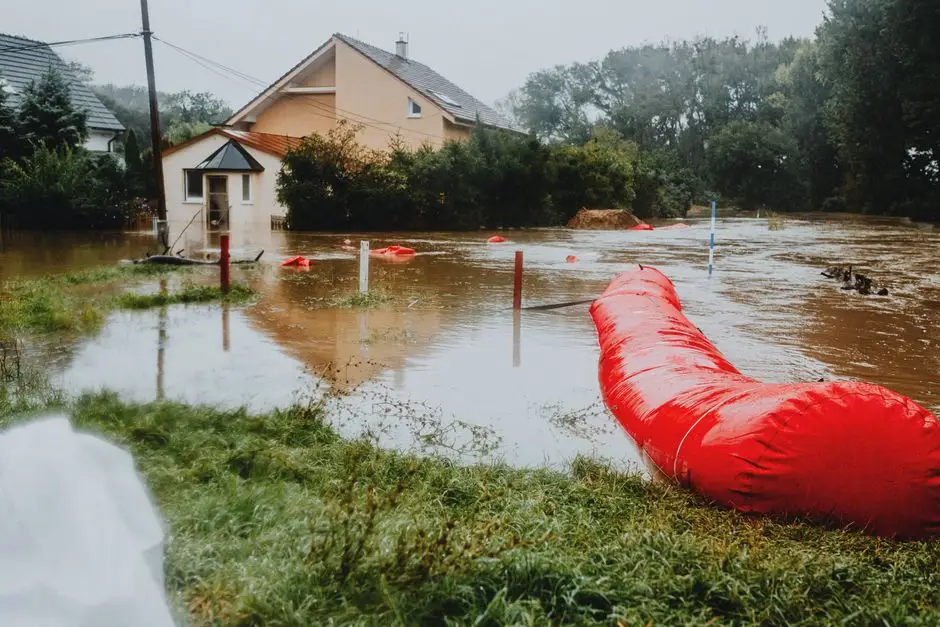
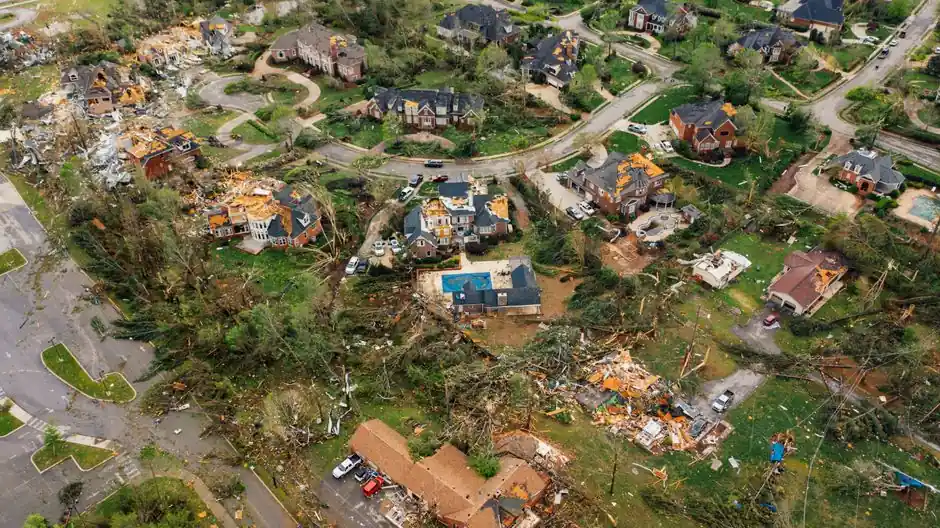
When a tropical system pushes water into your Bayshore Gardens home, we extract it, remove wet drywall and insulation, and dry the structure with desiccant dehumidifiers and air scrubbers. We document the damage for your flood or wind claim and work with your adjuster to keep the process moving.
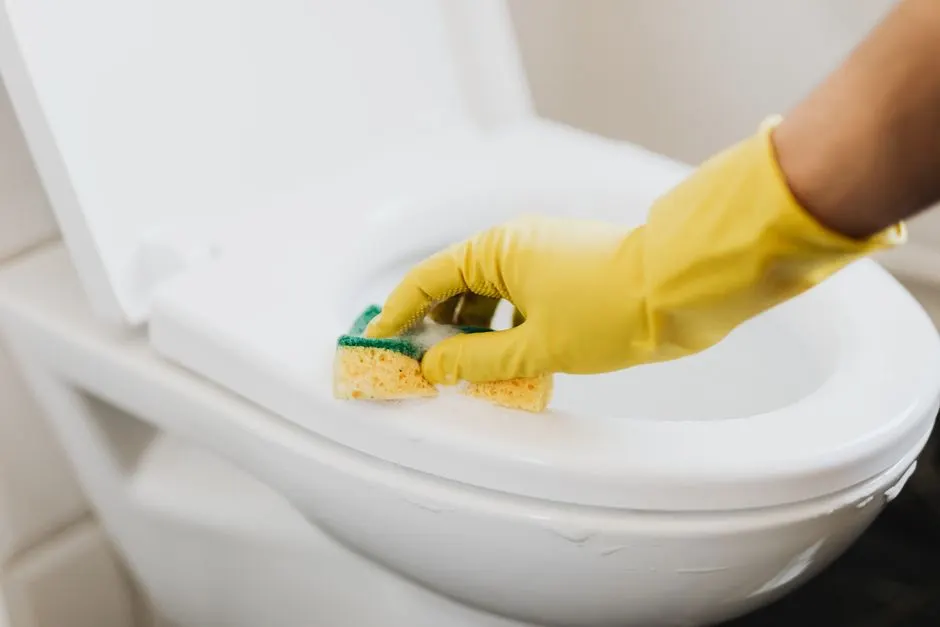
Sewage backups in Bayshore Gardens often come from aging cast iron drain lines. This is contaminated water, so we treat it that way. We extract with dedicated equipment, remove affected materials, and apply antimicrobial solution to every surface. Our IICRC AMRT-certified techs handle the remediation safely and document it for your insurance.
- We arrive in 30 to 60 minutes for emergency calls and start extracting immediately, not after a paperwork delay.
- We document every job with photos and daily moisture readings so your insurance claim moves forward without pushback.
- We dry to the ANSI/IICRC S500 standard and do not pull equipment until the readings say the structure is dry.