What are the water damage cleanup rules for Florida landlords and tenants?
Florida law splits water damage cleanup duties between landlords and tenants. Here's who pays, who fixes, and what to do when a rental floods in 2026.
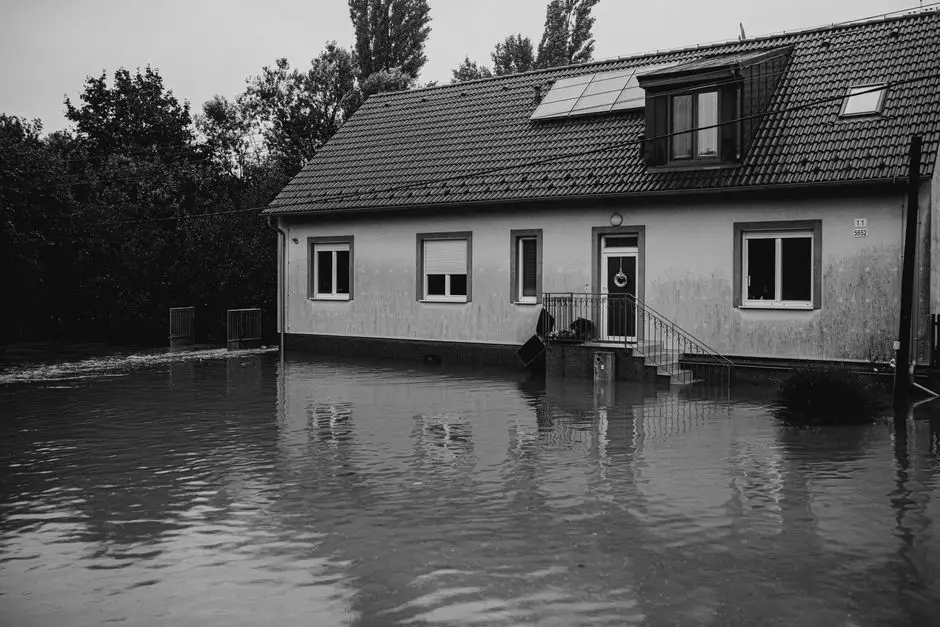
In Florida, the landlord is responsible for repairing water damage caused by a building defect or failing system, while the tenant is responsible for damage caused by their own negligence - and the cleanup rules for both sides are spelled out in Florida Statute 83.51 and the lease itself. The landlord must maintain the roof, plumbing, and weatherproofing in working order; the tenant must report water intrusion quickly and not make it worse. This article breaks down exactly how those rules play out in 2026, who pays for what, and when to bring in a professional extraction crew.
We run an Emergency Water Damage Extraction in Florida company, so we see both sides of this fight every week. A tenant calls us at 2 a.m. because the water heater burst. The landlord calls us the next morning asking who's paying. The answer is almost always in the statute, the lease, and the timeline of who knew what and when.
The Short Answer: Who Handles What
Florida landlord tenant water damage rules break into three buckets: maintenance, notification, and mitigation. The landlord owns the maintenance duty. The tenant owns the notification and mitigation duties. Whoever fails at their bucket usually eats the cost.
- Landlord: Keeps the roof, pipes, HVAC, and exterior watertight. Fixes structural water damage. Carries insurance on the building.
- Tenant: Reports water intrusion within a reasonable time - we tell people 24 hours or less. Shuts off the water if they can. Moves belongings out of the wet zone. Carries renter's insurance for personal property.
- Both: Document everything with photos and timestamps. This is the single biggest factor in who wins an insurance claim or a security deposit dispute.
Water damage cleanup responsibilities Florida law assigns are not optional. If a landlord ignores a reported leak and mold grows, that landlord is exposed under Statute 83.51. If a tenant lets a slow drip run for two weeks without telling anyone, that tenant is exposed under the lease and can lose part of their deposit.
What Florida Law Actually Says
Florida water damage cleanup regulations for rentals live mostly in Part II of Chapter 83, Florida Statutes. The key section is 83.51, which requires the landlord to maintain the premises in compliance with building, housing, and health codes and to keep the roof, plumbing, and other structural components in good repair.
That duty is not waivable in most residential leases. A landlord cannot write a clause that says "tenant is responsible for all plumbing repairs" and expect it to hold up when the supply line under the slab fails. Courts in Florida have consistently treated structural plumbing as the landlord's problem.
On the tenant side, Statute 83.52 requires the tenant to keep the unit clean, use fixtures properly, and not damage the property. If a tenant leaves a window open during a summer downpour or lets a toilet run for a week, that is tenant-caused damage - and the tenant pays.
One more piece: Florida's security deposit statute, 83.49, gives the landlord 30 days to return a deposit or send an itemized list of deductions. Water damage cleanup costs can be deducted, but only the portion the tenant caused. The landlord cannot charge the tenant for a slab leak that was already failing.
Who Pays for Water Damage Cleanup in a Florida Rental?
Who pays for water damage cleanup in a Florida rental depends on the source of the water and the speed of the response. Here is how we see it shake out in real claims across the state.
Landlord pays when:
- A supply line, water heater, or AC condensate line fails from age or defect.
- A roof leak lets rain in during a storm.
- A slab leak or sewer line backup originates outside the unit.
- The landlord knew about a leak and delayed repairs.
Tenant pays when:
- They overflowed a tub or left a faucet running.
- They flushed something that clogged the toilet and caused an overflow.
- They ignored a visible leak for days or weeks without reporting it.
- They damaged a fixture - pulled a toilet loose, cracked a supply line behind the fridge.
When both sides share fault, the cost splits. We have seen landlords and tenants agree to 50/50 on a $3,200 extraction and dry-out bill because the tenant waited four days to call and the landlord had ignored a slow drip for a month. That is not unusual.
Typical 2026 pricing for water damage cleanup on a Florida rental runs $1,200 to $2,800 for a single-room extraction and dry-out, $3,500 to $7,500 for a multi-room job with flooring removal, and $8,000 and up when cabinets, drywall, and baseboards come out. Sewage-contaminated water costs more because of the disinfection step.
If the source is a burst pipe, the extraction itself is the same job regardless of who pays - but the paperwork matters. We document the source, the moisture readings, and the timeline so the landlord's insurer and the tenant's renter's policy can sort out liability without a fight.
Tenant Responsibilities When Water Damage Happens
Tenant water damage responsibility Florida law is narrower than most tenants think, but it is real. Here is what we tell every renter who calls us.
- Shut off the water if you can find the valve. Most units have a shutoff under the sink, behind the toilet, or at the water heater. Thirty seconds of turning saves thousands in damage.
- Call the landlord or property manager immediately. Not a text the next morning. Call. Florida law expects prompt notice, and "prompt" in a water damage case means hours, not days.
- Move your stuff out of the wet zone. Furniture, electronics, rugs. Wet carpet can be saved. A soaked laptop cannot.
- Take photos and video. Timestamp everything. This is your evidence if the deposit dispute starts.
- Do not try to dry it yourself with a box fan. A box fan moves air. It does not pull water out of drywall or subfloor. Mold can start growing in 24 to 48 hours in Florida's humidity.
If the landlord refuses to send anyone, the tenant can call a licensed extraction company directly and seek reimbursement. We have done this dozens of times. The tenant pays us, then takes the invoice to the landlord or to small claims court. Florida's small claims limit is $8,000, which covers most single-room water damage jobs.
If the water came from a Toilet Overflow Water Extraction in Florida situation - a clogged toilet that ran all night - that is almost always tenant-caused. The tenant pays. If it came from a Burst Pipe Water Extraction in Florida job behind the wall, that is almost always the landlord's. The source tells you who writes the check.
Landlord Obligations for Water Damage Repair in Florida
Landlord obligations water damage Florida law imposes are heavier than most small landlords realize. Under Statute 83.51, you must keep the roof, plumbing, and weatherproofing in good repair - and you must do it within a reasonable time after notice.
"Reasonable time" is not defined in the statute, but Florida courts have generally treated 7 to 14 days as the outer edge for non-emergency repairs. For active water intrusion, the clock is much shorter. We tell landlords: if water is still coming in, you have 24 hours to get someone on site.
What landlords must do:
- Respond to the tenant's report within 24 hours.
- Stop the water source - plumber, roofer, or extraction crew, depending on the cause.
- Extract standing water and dry the structure. This is not optional. Mold is a habitability issue under Florida law.
- Document everything for the insurance claim.
- Communicate with the tenant in writing about the repair timeline.
What landlords cannot do:
- Charge the tenant for damage the landlord's own deferred maintenance caused.
- Keep the full security deposit without an itemized list within 30 days.
- Evict a tenant for reporting water damage in good faith. That is retaliation under Statute 83.64.
If you own rentals in a coastal market, you already know storm water is a different animal. We handle a lot of Storm and Hurricane Water Damage Extraction in Florida work where the roof failed during a named storm and the landlord is trying to sort out what the wind policy covers versus what the flood policy covers. That is a conversation to have with your adjuster before the next storm, not after.
Can a Tenant Withhold Rent for Water Damage in Florida?
Yes, but only under specific conditions. Florida Statute 83.56 lets a tenant withhold rent if the landlord fails to maintain the premises and the tenant follows a strict notice procedure.
The steps are:
- Send written notice to the landlord by certified mail or hand delivery, listing the specific problem.
- Give the landlord 7 days to fix it.
- If the landlord does not fix it, the tenant can withhold rent or terminate the lease.
What tenants cannot do is just stop paying and hope for the best. Florida courts do not look kindly on that. If you withhold rent without following the 7-day notice rule, you can be evicted for non-payment even though the water damage was real.
There is also a partial-withholding option. If the unit is still partially habitable - say, one bedroom is wet but the rest is dry - the tenant can withhold a proportional amount. We have seen tenants and landlords agree on a 30% rent reduction during a two-week dry-out. That is a reasonable compromise and it keeps everyone out of court.
Common Mistakes That Cost Both Sides Money
The mistakes we see most often are not legal - they are practical. They cost landlords and tenants real money.
- Waiting to call. Every hour of standing water adds roughly $150 to $300 in cleanup cost. A $1,500 job at hour two becomes a $4,000 job at hour 48.
- Using the wrong equipment. Shop vacs and box fans do not dry a wall cavity. We use thermal imaging and moisture meters to find water you cannot see. If you skip that step, you get mold in three weeks.
- Not documenting. No photos, no timestamps, no written notice. This is how a clear-cut case turns into a deposit dispute.
- Assuming the lease overrides the statute. It does not. A lease clause that shifts structural repair duty to the tenant is generally unenforceable in Florida residential rentals.
- Ignoring the smell. A musty odor after a leak means mold is already growing. That is a habitability issue and it escalates fast.
We also see landlords try to handle a Sewage Backup Water Extraction in Florida job themselves. Do not. Sewage is Category 3 water - it carries bacteria and pathogens. It needs disinfection, not a mop. Same with Flooded Basement Water Extraction in Florida after a storm surge. That water is contaminated and the drywall usually has to come out.
When to Call a Professional
Call a professional when the water has been sitting more than a few hours, when it came from a sewage or storm source, when it has reached drywall or subfloor, or when you can smell mold. Those four conditions cover about 90% of the calls we run.
Florida Aero Dry Restoration handles both sides of the landlord-tenant equation. We extract the water, dry the structure, document the source and timeline, and give you a written report you can hand to an insurer, a property manager, or a judge. We work directly with landlords on emergency water extraction Florida calls and we take tenant-initiated jobs when the landlord is unreachable.
If you are in one of the big rental markets, we have crews positioned to move fast. Our Emergency Water Damage Extraction in Tampa, Florida team covers Hillsborough and Pinellas, and our Emergency Water Damage Extraction in Orlando, Florida crew runs Orange, Seminole, and Osceola counties. Same equipment, same documentation standard, same 24/7 dispatch.
Frequently Asked Questions
What are the water damage cleanup rules for Florida landlords and tenants?
Florida Statute 83.51 requires landlords to maintain plumbing, roof, and weatherproofing and to fix water damage from building defects. Tenants must report water intrusion promptly - within 24 hours is the practical standard - and take reasonable steps to prevent further damage. Whoever caused the damage or delayed the response typically pays.
Who is responsible for water damage cleanup in a Florida rental?
The landlord pays when the source is a building defect - burst pipe, roof leak, failed water heater. The tenant pays when the source is negligence - overflowed tub, clogged toilet, unreported leak. Shared fault splits the cost, often 50/50. Renter's insurance covers the tenant's personal property either way.
Does Florida law require landlords to fix water damage?
Yes. Statute 83.51 requires landlords to keep the roof, plumbing, and structural components in good repair. After written notice, the landlord has 7 days to fix non-emergency issues. Active water intrusion is treated as an emergency - 24 hours is the practical response window.
Can a tenant withhold rent for water damage in Florida?
Yes, but only after sending written notice by certified mail and giving the landlord 7 days to repair under Statute 83.56. Withholding rent without following that procedure can result in eviction for non-payment, even if the water damage was real and the landlord was at fault.
How much does water damage cleanup cost for Florida rentals?
In 2026, a single-room extraction and dry-out runs $1,200 to $2,800. Multi-room jobs with flooring removal run $3,500 to $7,500. Jobs involving cabinets, drywall, and baseboard replacement start around $8,000. Sewage and storm-water jobs cost more because of disinfection and contaminated-material disposal.
Get Help with Emergency Water Damage Extraction in Florida
Whether you are a landlord protecting an investment or a tenant protecting your deposit, the clock starts the moment water hits the floor. We answer 24/7, we document everything, and we give you a report that holds up to insurance scrutiny.
Call Florida Aero Dry Restoration at +1 (855) 574-2638 and we will have a crew moving toward your property within the hour.