Water damage restoration vs. water extraction: what is the difference?
Water extraction pulls the standing water out. Restoration dries, cleans, and rebuilds what the water damaged. Here is how the two differ in Florida.
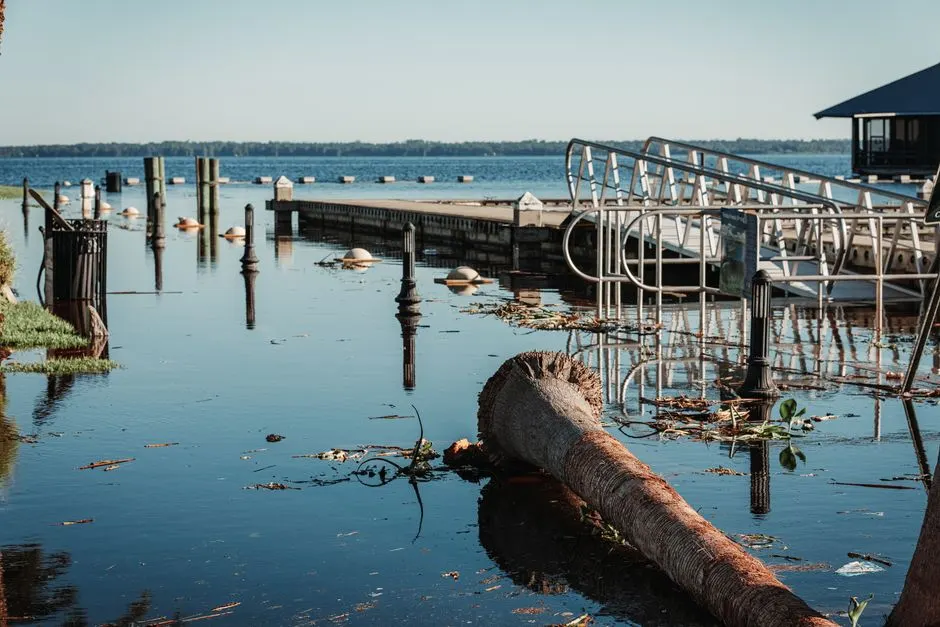
Water extraction is the physical removal of standing water from your home using pumps and vacuums. Water damage restoration is everything that happens after the water is gone: drying, dehumidifying, cleaning, sanitizing, and rebuilding materials the water ruined. Extraction is step one of restoration, not a substitute for it.
If you are staring at an inch of water in your living room right now, you need extraction first. But stopping there leaves wet drywall, soaked subfloor, and a mold problem that shows up three weeks later. This article breaks down exactly where extraction ends, where restoration begins, and what each stage costs and takes in Florida.
The short answer: extraction removes water, restoration fixes damage
Water extraction is a mechanical process measured in hours. Water damage restoration is a multi-day process measured in days to weeks, and it includes extraction as its first phase.
Think of it like a flooded yard. Extraction is the sump pump getting the water off the grass. Restoration is aerating the soil, replacing the dead sod, and making sure the foundation did not crack. You cannot skip the pump, and you cannot stop at the pump.
Here is the split in plain terms:
- Extraction: pumps, wet vacuums, weighted extraction tools. Removes bulk water. Usually 2 to 8 hours for a typical room.
- Restoration: air movers, dehumidifiers, moisture meters, antimicrobial treatments, drywall and flooring repair. Usually 3 to 10 days for drying, plus rebuild time.
Most Florida homeowners call us because they see water. What they actually need is both services, in order.
What is water extraction?
Water extraction is the process of removing standing and trapped water from floors, carpets, and cavities using truck-mounted or portable pump systems. It is the emergency response phase - the part that stops the damage from getting worse while you wait for drying equipment.
When our team arrives, we start by finding the source. If a supply line is still spraying, we shut it off. If it is a pipe burst water extraction Florida situation, that means killing the main and confirming no other lines are pressurized.
Then the pumps come out. A truck-mounted extraction unit can pull 50 to 100 gallons per minute from a flooded floor. For a 12x15 room with two inches of water, that is roughly 200 gallons - gone in under 10 minutes of actual pump time, though setup and moving furniture adds an hour or two.
What extraction does not do:
- It does not dry the drywall, baseboards, or subfloor.
- It does not kill mold or bacteria.
- It does not tell you whether the moisture inside the wall is at 12% or 28%.
That is why extraction alone is never the finish line. It is the first 10% of the job by time, and the most visible 90% by panic level.
What is water damage restoration?
Water damage restoration is the full scope of work that returns your home to pre-loss condition after water intrusion. It starts with extraction and continues through drying, cleaning, sanitizing, and structural repair.
Here is the sequence we run on a typical Florida job:
- Inspection and moisture mapping. Thermal camera and pin meters to find water you cannot see. We mark wet zones on a floor plan.
- Extraction. Pumps and wet vacuums remove standing water.
- Drying. Commercial air movers and dehumidifiers run 3 to 5 days. We target 12% to 15% moisture content in wood framing.
- Cleaning and sanitizing. Antimicrobial applied to affected surfaces. Category 2 and 3 water (gray and black water) gets stronger treatment.
- Repairs. Drywall, baseboards, flooring, paint. This is the rebuild phase.
Restoration is where the real cost and time live. Extraction might take half a day. Restoration on a 500-square-foot affected area in Florida runs 4 to 7 days of drying plus 3 to 10 days of rebuild, depending on materials.
If you are dealing with a sewage backup rather than clean water, the restoration scope changes completely. Category 3 water means cutting out contaminated drywall, not just drying it. We handle that under sewage water extraction Florida protocols with full PPE and disposal.
How long does water extraction take in Florida?
Water extraction takes 2 to 8 hours for most residential jobs in Florida, depending on water volume, flooring type, and how far the water has spread. A single flooded bathroom is on the low end. A whole first floor after a storm surge is on the high end.
Factors that push it longer:
- Carpet and pad. Carpet holds water like a sponge. We extract, then pull the pad because it rarely dries fast enough to save.
- Hardwood. Water wicks between boards. Extraction gets the surface; drying takes days.
- Tile and grout. Water sits in the thinset and subfloor. Looks dry, is not.
- Slab-on-grade. Common in Florida. Water has nowhere to drain, so it spreads laterally under flooring.
After extraction, drying typically runs 3 to 5 days. We check moisture daily and adjust equipment. You are not done when the floor looks dry - you are done when the meters say the framing is back under 15%.
For storm-related flooding, timelines stretch. A hurricane surge pushes water into places a supply line never reaches. If you are in a coastal area like Tampa water damage restoration Florida, we plan for longer extraction and more aggressive drying because of humidity and saltwater contamination.
Water extraction vs restoration cost in Florida
Water extraction alone typically costs $300 to $1,200 for a residential room in Florida in 2026. Full water damage restoration for the same area runs $1,500 to $6,000 or more, depending on materials and how much rebuild is needed.
Here is a rough breakdown for a 200-square-foot affected area:
- Extraction only: $300 to $800.
- Extraction + drying equipment (3 to 5 days): $900 to $2,500.
- Drying + antimicrobial + minor drywall repair: $1,800 to $4,000.
- Full restoration with flooring replacement: $3,500 to $8,000+.
These are ranges, not quotes. The variables that move the number most are water category (clean vs sewage), square footage affected, and whether flooring has to come out.
Most Florida homeowners insurance policies cover sudden and accidental water damage, including both extraction and restoration. Slow leaks that have been dripping for months often get denied as maintenance issues. That distinction matters, and we document the cause and timeline carefully so your claim has what it needs.
If your adjuster is asking for moisture readings and photos, we provide them. If you are in a condo building in Miami water damage restoration Florida, we also coordinate with HOA requirements on water intrusion reporting.
What does water damage restoration include in Florida?
Water damage restoration in Florida includes extraction, structural drying, moisture monitoring, antimicrobial treatment, content cleaning, and repair of damaged materials. It ends when your home is dry, clean, and put back together.
The parts homeowners forget:
- Moisture documentation. Daily readings logged for your insurance file.
- Containment. Plastic barriers to keep dust and mold spores out of clean areas during demo.
- Content handling. Furniture, electronics, documents. Some can be saved, some cannot.
- HVAC checks. If water got into ductwork, running the system spreads contamination through the house.
We also check for secondary damage. A roof leak that drips into the ceiling can soak insulation, which then holds moisture against the drywall for weeks. That is a roof leak water extraction Florida job that looks small until you open the ceiling.
Restoration is not finished when the equipment leaves. It is finished when the last coat of paint dries and the baseboards are back on.
Common mistakes we see after a Florida water leak
The most expensive mistake is treating extraction as the whole job. Water you cannot see keeps damaging the structure long after the visible puddle is gone.
Others we run into constantly:
- Running the HVAC to "dry things out." It circulates moisture and can spread mold spores into every room.
- Using a shop vac and a box fan. Shop vacs remove surface water. Box fans move air but do not remove humidity. You need a dehumidifier pulling 30+ pints per day.
- Waiting until morning. Mold can start growing in 24 to 48 hours in Florida humidity. Every hour matters.
- Not documenting before cleanup. Your insurance claim needs photos and moisture readings from before anything was moved.
- Assuming the floor is dry because it feels dry. Tile and hardwood hide moisture. Meters do not lie.
We see this most in older Florida homes with original plumbing and slab foundations. Water travels under the floor and shows up 15 feet from the source. If you are in a neighborhood like St. Petersburg water damage restoration Florida with 1950s construction, expect the water to have spread further than it looks.
When to call a professional
Call a professional when water has been sitting for more than a few hours, when it came from a sewage or storm source, or when it has reached drywall, cabinets, or flooring. Those are the situations where DIY drying fails and mold wins.
You can handle a small, clean-water spill on a hard surface with towels and a fan. You cannot handle water inside a wall cavity, under tile, or in a ceiling without moisture meters and commercial drying equipment.
Florida Aero Dry Restoration handles both extraction and full restoration in one job. We extract, dry, document, and rebuild. You are not coordinating three different contractors while your house stays wet.
If you are not sure which service you need, call us and describe what you see. We will tell you whether it is a one-hour extraction or a multi-day restoration.
Frequently Asked Questions
What is the difference between water damage restoration and water extraction?
Water extraction removes standing water using pumps and vacuums, usually in 2 to 8 hours. Water damage restoration is the full process - extraction plus drying, sanitizing, and repairing damaged materials - and takes 3 to 10 days or more.
Do I need water extraction or restoration in Florida?
If you see standing water, you need extraction now. If water reached drywall, flooring, or insulation, you also need restoration. In Florida humidity, any water that has been sitting more than 24 hours almost always requires full restoration to prevent mold.
How long does water damage restoration take in Florida?
Drying typically takes 3 to 5 days. Full restoration, including repairs, runs 1 to 3 weeks depending on the size of the affected area and whether flooring or drywall needs replacement. Storm and sewage jobs take longer.
What does water extraction involve in Florida?
We shut off the water source, pump out standing water with truck-mounted or portable units, extract from carpets and hard floors, and check hidden cavities with moisture meters. A typical room takes 2 to 8 hours.
Is water extraction covered by Florida homeowners insurance?
Yes, in most cases. Sudden and accidental water damage - burst pipes, appliance failures, storm intrusion - is typically covered, including extraction and restoration. Slow leaks from neglected maintenance are often excluded. We document everything for your claim.
Get help with Emergency Water Damage Extraction in Florida
Whether you need a two-hour extraction or a full restoration with rebuild, we handle it start to finish. One call, one team, no handoffs while your home stays wet.
Call Florida Aero Dry Restoration at +1 (855) 574-2638. We answer 24/7 and can tell you over the phone what you are likely dealing with.