How to shut off your water main before a pipe bursts in Tampa
Knowing how to shut off your water main before a pipe bursts in Tampa can save you thousands in water damage. Here's exactly where your valve is and how to turn it off fast.
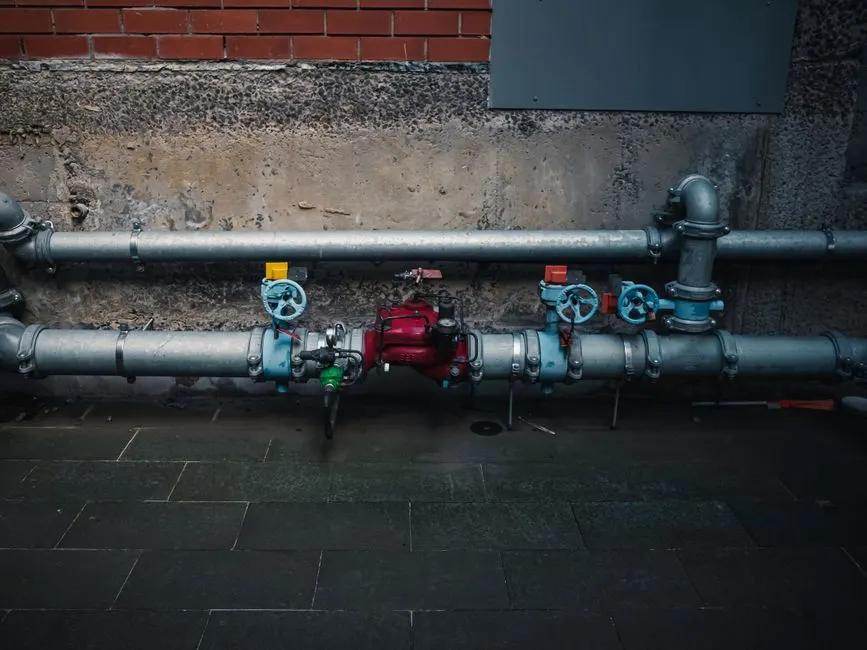
Shutting off your water main before a pipe bursts in Tampa means locating your main shut off valve - usually near the street in a concrete box or under a kitchen or utility room sink - and turning the handle clockwise until it stops. That single action can be the difference between a $300 repair and a $12,000 water damage claim. This guide walks you through exactly where your valve is, how to turn it off, and what to do next if a pipe already burst.
Where Is Your Water Main Shut Off Valve in a Tampa Home?
Your Tampa water main shut off valve is the single control point between the city's water supply and every pipe, fixture, and appliance in your house. Finding it before you need it is the whole game.
Most Tampa homes have two shut off points. The first is the main valve, typically located at the property line near the street inside a concrete or plastic meter box. The second is a house-side valve, often near where the water line enters the home - a garage wall, a utility closet, or under the kitchen sink.
Here is where to look, in order of likelihood:
- Front yard near the street: Look for a rectangular concrete or green plastic box flush with the ground. That is your meter box. The valve is inside.
- Garage wall: Many Tampa homes built after 1980 have the main shut off on the wall where the garage meets the house.
- Under the kitchen sink: Older bungalows in Seminole Heights and Hyde Park often have the house valve here.
- Utility room or laundry room: Common in newer construction in Wesley Chapel and Riverview.
- Outside hose bib area: Some properties have a shut off valve on the exterior wall near the front hose spigot.
If you cannot find it in five minutes, call your neighbors or check your home inspection report. Every Tampa home inspection includes a photo of the main shut off location. If you do not have that report, a licensed plumber can tag it for you in under an hour.
While you are locating your valve, it is also worth knowing who to call when water damage happens anyway. Our team handles Emergency Water Damage Extraction in Florida across the Tampa Bay area, and we see the same preventable mistakes week after week.
How Do You Shut Off the Water Main Before a Pipe Bursts in Tampa?
Turning off your water main takes about 30 seconds once you know where the valve is. Here is the exact process.
- Find the valve. If it is in a meter box, lift the lid with a screwdriver or channel locks. Watch for fire ants and wasps - they love Tampa meter boxes.
- Turn clockwise. For a gate valve (round handle), turn clockwise until it stops. For a ball valve (lever handle), rotate the lever 90 degrees so it is perpendicular to the pipe.
- Confirm the water is off. Open the lowest faucet in the house - usually an outdoor hose bib or a downstairs tub. If water stops within 10 seconds, you are done.
- Open all faucets. Drain the remaining water from the lines to reduce pressure on the burst section.
- Shut off the water heater. If you have a gas heater, turn the dial to "pilot." If electric, flip the breaker. A drained tank with the element still on will burn out in minutes.
If the valve will not budge, do not force it. Older gate valves in Tampa homes - especially those built before 1975 - seize up from mineral buildup. Forcing a stuck valve can snap the stem and turn a slow drip into a full-bore flood. Call a plumber instead.
If you cannot reach the main valve in time, the city-side shut off at the meter is your backup. Tampa Water Department crews can shut off water at the meter in an emergency, but response times vary - often 30 to 90 minutes during peak demand. That is a long time to watch water pour through your ceiling.
For burst pipe situations specifically, our Burst Pipe Water Extraction in Florida team handles the extraction and drying once the water is off. We typically arrive within 60 to 90 minutes anywhere in Hillsborough County.
Why Tampa Homes Are at Higher Risk for Pipe Bursts
Tampa pipe burst prevention starts with understanding why our homes fail differently than homes up north. Three factors drive most of the burst pipe calls we run.
1. Our soil moves - a lot
Tampa sits on sandy soil and reclaimed land that shifts with our wet and dry seasons. From June through September, the ground swells. From November through April, it shrinks. That constant movement stresses underground supply lines and slab-embedded pipes. A pinhole leak in a slab line can go unnoticed for months before it finally blows.
2. Our pipes are old
A large share of Tampa's housing stock was built between 1950 and 1985. That means galvanized steel and polybutylene supply lines - both prone to corrosion and sudden failure. Galvanized pipes typically last 40 to 50 years. Polybutylene, used heavily in Florida from 1978 to 1995, has a well-documented failure rate and is a leading cause of Tampa water damage from burst pipe.
3. Our temperature swings are small but real
We do not get many hard freezes, but we get enough. When Tampa drops below 32°F - which happens several nights each winter, usually in January - exposed pipes in attics, garages, and crawl spaces are vulnerable. A single freeze-thaw cycle can split a copper line that has been fine for 30 years.
If you live in an older neighborhood like Emergency Water Damage Extraction in Tampa, Florida, your risk is higher than a new build in Lutz or Apollo Beach. We see the most burst pipe calls from homes in Seminole Heights, West Tampa, and Ybor City - all areas with aging infrastructure.
Common Mistakes When Shutting Off Your Water Main
We have walked into hundreds of Tampa homes where the homeowner did everything right except one thing. These are the mistakes that turn a manageable leak into a full restoration job.
- Turning the valve the wrong way. Clockwise closes. Counterclockwise opens. If you turn counterclockwise on a stuck valve, you may open it wider and increase the flow.
- Not draining the lines. Shutting off the main stops new water from entering, but 5 to 15 gallons remain in your pipes. That water still has to go somewhere - usually through the burst section.
- Forgetting the water heater. A 50-gallon electric water heater with a dry tank will burn out its lower element in under 5 minutes. That is a $200 to $400 repair on top of everything else.
- Using the wrong tool. A crescent wrench on a round gate valve handle will strip it. Use your hand or a valve key.
- Waiting to call for help. Water damage compounds by the hour. Mold can begin colonizing wet drywall in 24 to 48 hours in Tampa's humidity.
One more thing: do not assume your insurance will cover a slow leak you ignored for months. Most Florida policies cover sudden and accidental discharge - not long-term seepage. If you have had a dripping sound in the wall for weeks, document it and call a plumber before it becomes a claim denial.
What to Do After You Shut Off the Water
Once the water is off, your job shifts from stopping the flow to limiting the damage. Here is the order that matters.
- Kill power to wet areas. If water is near outlets, switches, or your electrical panel, turn off the breaker for those circuits. Do not stand in standing water to do it.
- Document everything. Take photos and video of the burst pipe, the water line on walls, and any damaged belongings. Your adjuster will need these.
- Move furniture and valuables. Get items off wet carpet and away from wet drywall. Water wicks upward through drywall at roughly 1 inch per hour.
- Start extraction. A wet/dry shop vac can pull surface water, but it will not dry the structure. Carpet padding, subfloor, and wall cavities hold moisture for weeks.
- Call for professional drying. Our Florida emergency water removal team uses thermal imaging and moisture meters to find water you cannot see, then dries the structure to IICRC standards - usually 3 to 5 days for a typical Tampa home.
If the burst pipe is in a basement or lower level, standing water can reach 6 to 12 inches before you notice. Our Flooded Basement Water Extraction in Florida crews handle those calls with truck-mounted extraction units that pull 100+ gallons per minute.
When to Call a Professional
Call a professional the moment you cannot stop the water, cannot find the valve, or see water where it should not be - behind walls, under floors, or in the ceiling. Those are the calls where DIY turns into a $15,000 mistake.
At Florida Aero Dry Restoration, we handle the extraction, drying, and moisture verification so you are not guessing whether the structure is actually dry. We work directly with most major insurance carriers and document everything your adjuster needs. If you are dealing with a burst pipe right now, shut off the water first, then call us. We will take it from there.
We also handle related emergencies like Sewage Backup Water Extraction in Florida and Appliance Leak Water Extraction in Florida - both common in Tampa homes with older plumbing.
Frequently Asked Questions
Where is the water main shut off valve in Tampa?
In most Tampa homes, it is in a concrete meter box near the street at the property line, or on the wall where the water line enters the house - often in the garage, utility room, or under the kitchen sink. If you cannot find it, check your home inspection report or call a plumber to tag it.
How do I shut off the water main before a pipe bursts in Tampa?
Turn the valve handle clockwise until it stops. For a lever-style ball valve, rotate it 90 degrees perpendicular to the pipe. Then open the lowest faucet in the house to drain remaining water and confirm the flow has stopped. The whole process takes about 30 seconds.
What should I do if a pipe bursts in Tampa?
Shut off the main water valve immediately, then kill power to any wet areas. Open faucets to drain the lines, shut off your water heater, and call a water damage restoration company. Every hour of delay increases mold risk in Tampa's humid climate.
Does Tampa Water Department shut off water main?
Yes, Tampa Water Department can shut off water at the meter in an emergency, but response times typically run 30 to 90 minutes during peak demand. That is why every homeowner should know how to shut off the house-side valve themselves.
How much does burst pipe repair cost in Tampa?
Typical 2026 pricing in Tampa runs $350 to $1,200 for the pipe repair itself, depending on location and access. Water damage restoration adds $2,500 to $8,000 for a moderate loss, and $10,000 or more if structural drying and rebuild are needed.
Get Help with Emergency Water Damage Extraction in Tampa
If a pipe has already burst and water is spreading, we are ready to respond across Tampa and Hillsborough County. Call Florida Aero Dry Restoration at +1 (855) 574-2638 - we will extract the water, dry the structure, and document everything for your insurance claim.