How to dry out a flooded basement after a hurricane in Jacksonville
Hurricane water in a Jacksonville basement has to come out fast. Here is the pump-out order, the drying timeline, and the 2026 costs you should expect.
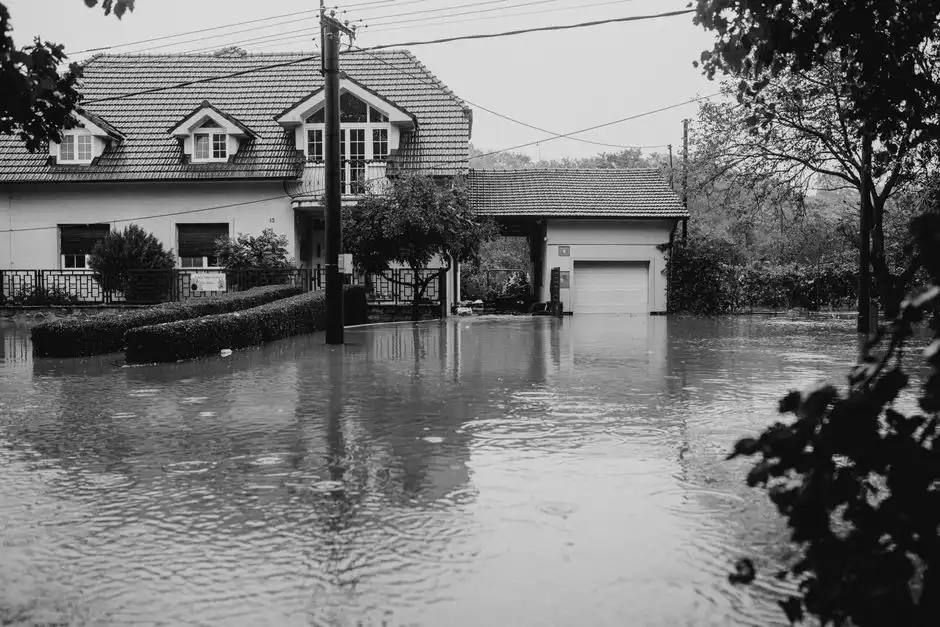
Get the standing water out first, then dry the structure - not the other way around. A flooded Jacksonville basement after a hurricane is dried by pumping the water down in stages, removing soaked materials, and running dehumidifiers and air movers until the concrete and framing hit a moisture reading under 16 percent. Everything below is the order we actually work in, plus the timelines and 2026 costs you should expect.
We run Emergency Water Damage Extraction in Florida calls every hurricane season, and the basements that dry clean are almost always the ones where somebody started moving water within the first 24 hours. Here is how to do that.
Start with safety, then get the water moving
Before you touch a pump, kill the power to the basement at the breaker panel and confirm it with a non-contact voltage tester. Hurricane flooding in Jacksonville mixes rainwater with whatever the storm pushed up through floor drains and sewer laterals, and that water conducts.
Three things to check before you step onto the stairs:
- Gas and sewer smell. If you smell rotten eggs or heavy sewage, leave the basement alone and call for Sewage Backup Water Extraction in Florida. That water is Category 3 and needs disinfection, not a shop vac.
- Structural soundness. A block or brick foundation wall that has been under 3 feet of water for two days can bow. Look for horizontal cracking or a wall that is visibly leaning before you walk in.
- Water depth. Anything over 12 inches is a pump job, not a bucket job. Do not wade in above your knees.
Once the power is off and the space is safe, start pumping. A standard 1/3 HP submersible utility pump moves about 30 to 40 gallons per minute. A 1,000-square-foot basement holding 6 inches of water holds roughly 3,700 gallons, so that is a two-hour job with one pump and half that with two.
Pump in stages, not all at once
This is the step most homeowners get wrong. If your basement sits below the surrounding water table - which is common in Riverside, Avondale, and the older blocks near the St. Johns - draining it in one shot can crack the floor slab or bow the walls. The outside hydrostatic pressure has nowhere to go.
Pump down about a third of the depth, stop for an hour, then repeat. If you see the slab or walls moving, stop completely and call us. We handle this with Flooded Basement Water Extraction in Florida equipment that reads water levels as it pulls, so the drawdown stays controlled.
How do I dry out a flooded basement after a hurricane in Jacksonville?
You dry a Jacksonville basement by removing everything that holds water, then running dehumidification and air movement until moisture readings stabilize - usually three to five days with professional equipment. The sequence matters more than the equipment.
- Extract the standing water. Pump, then use a wet vac or extraction wand for the last half inch.
- Pull saturated materials. Carpet, pad, drywall below the flood line, and any insulation that got wet. Carpet pad almost never dries in place and will grow mold within 48 hours.
- Set drying equipment. One commercial dehumidifier per 1,200 to 1,500 cubic feet of affected space, plus one air mover per 10 to 16 linear feet of wall.
- Run it continuously. Not on a timer. Not overnight only. Dehumidifiers that cycle off let the humidity climb back into the drywall.
- Check readings daily. A pin-type moisture meter on the baseboards, the bottom plate, and the slab. You are done when the framing reads under 16 percent and the slab reads dry on a non-penetrating meter.
Jacksonville's summer humidity sits between 70 and 90 percent most days, and after a hurricane it climbs higher. That means an open window is not drying your basement - it is re-wetting it. Keep the space closed and let the dehumidifier do the work.
Why Jacksonville basements flood differently than most of Florida
Jacksonville has more true below-grade basements than any other city in Florida, and that changes the whole playbook. Most of the state builds on slab. Duval County has thousands of 1920s through 1950s homes in San Marco, Murray Hill, Springfield, and Riverside with real masonry basements, and those basements were never designed for the water volume a hurricane delivers.
Three local factors drive the flooding:
- Flat terrain and slow drainage. The city sits on the coastal plain, and storm surge pushing up the St. Johns River backs water into the storm sewer system. That water has nowhere to go but up through your floor drain.
- Older foundation drainage. A 1940s clay tile footer drain is often collapsed or root-filled by now. It does nothing when you need it most.
- Sandy soil and a high water table. In low-lying areas near the river, the water table can rise to within a foot of the slab during a major storm.
We see the same pattern in other older Florida cities - the Emergency Water Damage Extraction in Tallahassee, Florida crews deal with the same clay-tile drains and pre-war masonry, just with different rainfall totals. If your basement has flooded twice in five years, the drainage is the problem, not the storm.
How long does it take to dry a flooded basement in Jacksonville?
Plan on three to five days for a typical Jacksonville basement with professional drying equipment, and seven to ten days if the walls are masonry and the floodwater sat for more than 48 hours. The variables that move that number are depth, how long the water was in, and what materials got soaked.
Here is what drives the timeline:
- Clean rainwater, extracted within 24 hours: 3 days.
- Rainwater that sat 48 to 72 hours: 4 to 6 days, plus antimicrobial treatment.
- Sewage-contaminated water: 5 to 7 days minimum, and any porous material it touched gets removed, not dried.
- Block or brick foundation walls: add 2 to 3 days. Masonry holds water far longer than framed walls.
The single biggest variable is how fast you start. Water that gets extracted in the first 24 hours usually means carpet and pad can be saved. Water that sits for three days means the pad is gone, the bottom 12 inches of drywall is gone, and you are looking at a rebuild instead of a dry-out.
If you are not sure whether the water is clean or contaminated, treat it as contaminated. It costs less to disinfect a clean basement than to remediate a mold problem three weeks later.
What flooded basement water removal costs in Jacksonville in 2026
Typical 2026 pricing for flooded basement water removal in Jacksonville runs $1,800 to $6,500 for a residential basement, with most single-family jobs landing between $2,400 and $4,200. That covers extraction, drying equipment, daily monitoring, and a final moisture report.
What moves the number:
- Water volume and depth. A 2-inch flood in a 600-square-foot basement is a half-day extraction. A 3-foot flood is a full day with multiple pumps.
- Contamination level. Sewage backup adds $800 to $2,500 for disinfection and disposal.
- Material removal. Tearing out carpet, pad, and drywall adds labor and dumpster cost.
- Drying days. Equipment is usually billed per day per unit. A five-day dry-out costs more than a three-day one.
- Access. A basement with a narrow exterior stair or no exterior access takes longer to rig.
Most Jacksonville homeowners insurance policies cover sudden water damage from a hurricane-driven flood only if they carry separate flood coverage through the National Flood Insurance Program or a private flood carrier. Standard homeowners policies exclude rising water. If your basement flooded from a burst supply line during the storm instead of storm surge, that is usually covered under the standard policy - we handle those as Burst Pipe Water Extraction in Florida claims and document the cause for the adjuster.
Call your carrier before you throw anything away. Photograph everything wet, in place, before removal.
What to watch out for after the water is gone
The water leaving is not the end of the problem. The mistakes that cost Jacksonville homeowners the most money happen in the week after the pump shuts off.
- Drying only the floor. Water wicks up masonry and drywall 12 to 24 inches above the visible flood line. If you do not dry the walls, you get mold at the baseboard line in 7 to 10 days.
- Running a household dehumidifier. A residential unit pulls 30 to 50 pints a day. A flooded basement needs 100 to 150 pints a day. You will run it for two weeks and still have a damp slab.
- Closing the door and forgetting it. Drying equipment needs to run continuously. Shutting it off at night resets the clock every morning.
- Skipping the moisture check. A basement that looks dry can still read 22 percent on the bottom plate. That is mold territory.
- Not documenting for insurance. No photos, no moisture log, no receipt for the extraction - and the adjuster has nothing to work with.
One more: do not run a gas furnace or water heater that was submerged. Even if it lights, the control board and burner assembly are compromised. Have it inspected before you fire it back up.
When to call a professional
Call a professional when the water is deeper than 2 inches, when it came in through a floor drain or sewer line, when the basement has no exterior access, or when the floodwater sat for more than 48 hours. Those four conditions push a job past what a shop vac and a box fan can handle.
We also get called when the basement has flooded before. A second flood in the same basement usually means a failed footer drain, a cracked floor, or a grading problem, and drying it out again without fixing the source just sets up the third one.
Florida Aero Dry Restoration handles emergency basement water extraction across Jacksonville, from San Marco and Riverside to the newer builds out near the Beaches. We extract, set drying equipment, monitor daily, and give you a written moisture report you can hand to your insurance adjuster. If you are in the middle of it right now, call and we will tell you on the phone whether it is a pump-and-dry job or something bigger.
Frequently Asked Questions
How do I dry out a flooded basement after a hurricane in Jacksonville?
Cut the power, pump the water down in stages, remove saturated carpet and drywall, then run commercial dehumidifiers and air movers continuously for three to five days. Check moisture readings daily on the slab, baseboards, and bottom plate. Do not open windows - Jacksonville humidity will re-wet the space.
How long does it take to dry a flooded basement in Jacksonville?
Three to five days with professional equipment for a typical basement, and seven to ten days if the walls are masonry or the water sat longer than 48 hours. Extraction within the first 24 hours is the single biggest factor in hitting the short end of that range.
Who removes water from a flooded basement in Jacksonville?
Florida Aero Dry Restoration does emergency basement water extraction across Jacksonville, including San Marco, Riverside, Murray Hill, and the Beaches. We pump, extract, set drying equipment, and monitor daily until the structure reads dry. Call +1 (855) 574-2638.
Does Jacksonville homeowners insurance cover basement flooding?
Standard homeowners policies exclude rising water and storm surge, so hurricane flood damage needs a separate NFIP or private flood policy. Water from a burst pipe or failed appliance during the storm is usually covered under the standard policy. Photograph everything before removal and call your carrier first.
How much does flooded basement water extraction cost in Jacksonville?
Typical 2026 pricing is $1,800 to $6,500, with most single-family basements landing between $2,400 and $4,200. Sewage contamination adds $800 to $2,500. That range covers extraction, drying equipment, daily monitoring, and a final moisture report.
Get help with Emergency Water Damage Extraction in Jacksonville
Every hour the water sits, the repair bill grows. We run 24/7 during hurricane season and can be pumping your Jacksonville basement the same day you call.
Call Florida Aero Dry Restoration at +1 (855) 574-2638 for emergency basement water extraction in Jacksonville, Florida.