Does Florida homeowners insurance cover storm water damage extraction?
Florida homeowners insurance usually covers storm water damage extraction when wind or a hurricane opens your roof or walls. Flood water from rising streets is a separate policy.
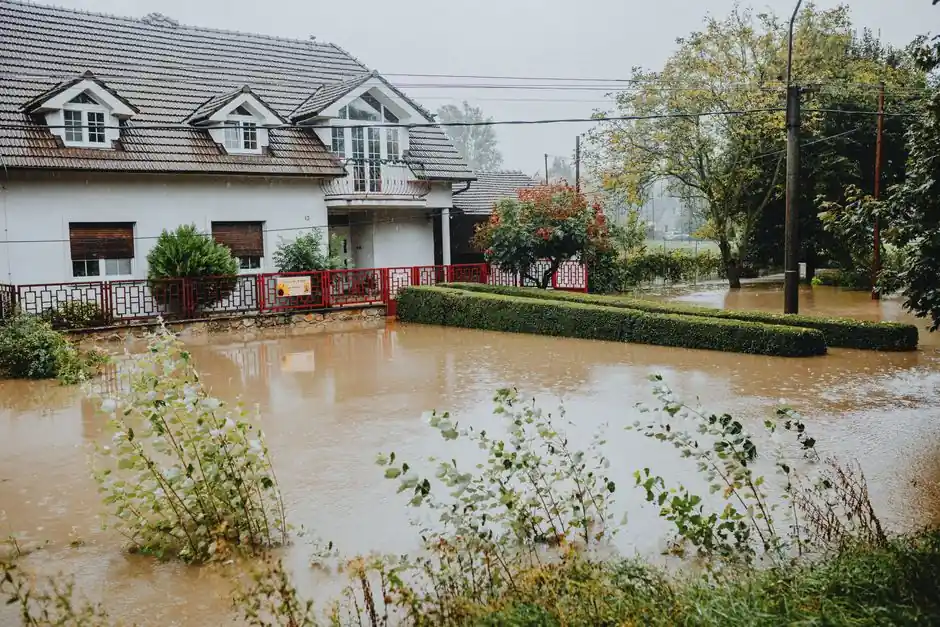
Yes - Florida homeowners insurance covers storm water damage extraction when the water entered because of a covered peril like wind, hail, or a fallen tree. If the water came from rising flood water, storm surge, or an overflowing canal, your standard HO-3 or HO-6 policy will not pay for it, and you need a separate NFIP or private flood policy. That single distinction decides most storm claims in this state.
We run extraction crews across Florida, and the first question we ask a homeowner standing in two inches of water is always the same: where did the water come from? Your answer determines whether your claim gets paid or denied. Below we break down what Florida homeowners insurance storm water damage actually covers, how to file a claim that survives adjuster review, what extraction costs in 2026, and the mistakes that sink otherwise valid claims.
The short answer: wind-driven water is covered, rising flood water is not
Does Florida homeowners insurance cover storm water damage extraction? It depends entirely on the water's entry point, not on how bad the storm was. Wind-driven rain that comes through a missing shingle, a broken window, or a torn soffit is a covered loss under most Florida HO-3 policies. Water that rises from the ground - storm surge, overflowing retention ponds, street flooding - is excluded and requires flood coverage.
This is not a technicality. It is the single biggest reason Florida storm claims get denied, and it has been true since long before Hurricane Ian in 2022 forced thousands of homeowners to learn the difference the hard way. Adjusters do not ask how wet your floor is. They ask how the water got in.
We see both scenarios every hurricane season. A homeowner in a wind-zone neighborhood with a peeled-back roof deck gets a covered claim. Their neighbor three streets over with water that backed up from a swollen canal gets a denial letter unless they carry flood insurance. Same storm, same street, opposite outcomes.
What Florida homeowners insurance covers for water damage
Florida homeowners insurance water damage coverage typically pays for extraction, drying, and repairs when the water came from a covered source. Here is what most HO-3 and HO-6 policies in this state include:
- Wind-driven rain intrusion through a damaged roof, broken window, or compromised wall
- Hurricane damage where wind opened the structure and rain followed
- Fallen tree or debris impact that punctures the roof or wall
- Burst pipes and appliance failures during or after a storm
- Water extraction and structural drying as part of the covered loss
- Mold remediation when it results directly from a covered water event and is addressed promptly
The key phrase in every policy is "resulting from a covered peril." If wind opened your roof and rain poured in, the extraction, the drying equipment, the removed drywall, and the mold treatment are all part of one covered claim. You do not pay out of pocket for the extraction and hope to get reimbursed later - most carriers treat it as part of the loss.
We handle these claims constantly, and the cleanest ones share a pattern: the homeowner called us within hours, we documented the water source with photos and moisture readings, and the adjuster approved the scope on the first pass. When you need emergency water extraction Florida homeowners can count on, speed and documentation are what protect your claim.
What Florida homeowners insurance does not cover after a storm
Florida hurricane water damage insurance excludes anything tied to rising water. That is not a loophole - it is the standard exclusion in every HO-3 policy sold in the state, and it is why flood insurance exists as a separate product.
What your standard policy will not pay for:
- Storm surge - the ocean or bay pushing water inland
- Rising surface water - street flooding, overflowing canals, swollen retention ponds
- Ground water seeping up through the slab or foundation
- Sewer backup - unless you purchased a specific endorsement
- Long-term neglect - a slow leak you knew about for months
- Mold that developed because you waited weeks to dry the structure
That last one matters more than most homeowners realize. Mold can colonize wet drywall in 24 to 48 hours in Florida's humidity. If you let a covered water loss sit for two weeks before calling anyone, the carrier can argue the mold is your responsibility, not theirs. We have watched valid claims shrink by thousands of dollars because the homeowner waited.
If your neighborhood flooded from rising water, your claim belongs with your flood policy, not your homeowners policy. File it there. Do not try to recharacterize flood water as wind-driven rain - adjusters have seen that move thousands of times, and it ends badly.
How to file a storm water damage claim in Florida
Filing a storm water damage claim in Florida is a sequence, and the order matters. Get it right and the process moves. Get it wrong and you spend months in appeals.
- Stop the water and document everything. Before you move a single item, photograph the water line on the walls, the source of entry, and every damaged belonging. Timestamped photos are the backbone of your claim.
- Call your insurance carrier. Report the loss and get a claim number. Most Florida carriers require prompt notice - waiting weeks can give them grounds to deny.
- Get extraction started immediately. Drying is mitigation, and every policy requires you to prevent further damage. Delaying extraction to "wait for the adjuster" is the fastest way to lose coverage for the mold that follows.
- Keep every receipt and every document. Extraction invoices, hotel stays, equipment rentals, and replacement purchases all go into the claim file.
- Meet the adjuster on site. Walk the property with them. Point out the water source, the moisture readings, and the affected areas. Do not let them inspect alone.
- Review the scope of loss carefully. If the adjuster's estimate misses rooms, materials, or drying days, you can supplement the claim with documentation from your extraction contractor.
We provide moisture maps, daily drying logs, and photo documentation to every homeowner we work with, because carriers approve claims faster when the paperwork is clean. If you are in the middle of a loss right now, our team can help you understand what Florida storm water damage extraction involves and what your carrier will expect to see.
How much does storm water damage extraction cost in Florida?
Storm water damage extraction cost with insurance in Florida depends on the size of the affected area, the category of water, and how long the drying takes. Typical 2026 pricing in this state runs:
- Single room, clean water, 1-2 days of drying: $1,200 to $2,800
- Multiple rooms or 500-1,000 sq ft: $2,500 to $6,500
- Whole-home extraction after a hurricane: $7,000 to $20,000+
- Category 3 (sewage or flood water) with sanitization: 30% to 50% higher than clean water
- Mold remediation add-on: $1,500 to $6,000 depending on square footage
If your loss is covered, your carrier pays these costs directly, minus your deductible. Florida hurricane deductibles are often separate from your standard deductible and can run 2% to 5% of your home's insured value - on a $400,000 home, that is $8,000 to $20,000 out of pocket before insurance kicks in. Know your deductible before the storm, not after.
If your loss is not covered - rising flood water without flood insurance - you are paying out of pocket, and the cost climbs fast the longer you wait. Water that sits for 72 hours turns a $2,000 extraction into a $12,000 remediation. We see it every season.
Common mistakes that get storm water claims denied
Most denied storm claims are not denied because the damage was not real. They are denied because of how the homeowner handled the first 48 hours. Here is what we see go wrong, over and over:
- Waiting for the adjuster before starting extraction. Your policy requires you to mitigate further damage. Waiting is a coverage violation.
- Throwing away damaged items before photographing them. Once it is in the dumpster, it is not in your claim.
- Describing the water as "flood" when it was wind-driven. The word "flood" triggers the exclusion. Be precise about the source.
- Hiring an unlicensed crew that cannot provide documentation. No moisture logs, no drying records, no invoice your carrier will accept.
- Missing the notice deadline. Florida policies require prompt notice of loss. Weeks of silence gives the carrier an easy denial.
- Signing a contractor's Assignment of Benefits without reading it. AOB transfers your claim rights to the contractor. Florida law changed in 2023 to restrict AOB abuse, but the risk still exists if you sign carelessly.
One more: do not let a public adjuster or contractor inflate your claim. Carriers in Florida are aggressive about fraud after the last few hurricane seasons, and an inflated scope gets the whole claim flagged. Honest documentation wins.
When to call a professional extraction team
Call a professional the moment water reaches your floors, walls, or subfloor - not after you have tried to shop-vac it up. Standing water in a Florida home is a 24-to-48-hour window before mold starts, and household equipment cannot move enough water or dry a structure fast enough to close that window.
You need a professional crew if any of these are true:
- Water covers more than one room or has soaked into carpet and pad
- The water is Category 2 or Category 3 (gray or black water - sewage, flood water, or anything that sat for days)
- You can smell mustiness or see discoloration on drywall
- The water came from a storm event and you are filing a claim
- Your humidity readings inside are above 60% two days after the water stopped
Florida Aero Dry Restoration handles storm and hurricane losses across the state. We extract the water, set drying equipment, monitor moisture daily, and hand your carrier the documentation they need to approve the claim. If you are in a storm-affected area and want to know what 24/7 water removal services in Florida look like in practice, we can walk you through it before you commit to anything.
Frequently Asked Questions
Does Florida homeowners insurance cover storm water damage extraction?
Yes, when the water entered because of a covered peril like wind, hail, or debris impact. Standard HO-3 policies cover extraction and drying as part of that loss. Rising flood water, storm surge, and surface flooding are excluded and require a separate flood policy.
How do I file a storm water damage claim in Florida?
Document the damage with timestamped photos, call your carrier to open a claim within days - not weeks - start extraction immediately to satisfy your mitigation duty, keep every receipt, and meet the adjuster on site. Clean documentation is what gets claims approved on the first pass.
What does Florida homeowners insurance cover for water damage?
Most HO-3 and HO-6 policies cover wind-driven rain intrusion, hurricane damage where wind opened the structure, burst pipes, appliance failures, fallen tree impact, and the extraction, drying, and mold remediation that follows. Flood water and sewer backup require separate coverage or endorsements.
Is water extraction covered after a hurricane in Florida?
Yes, if the hurricane damaged your home through wind and rain entered through that damage. If the water rose from the ground - surge, street flooding, or canal overflow - it is a flood loss and your homeowners policy will not pay. You need flood coverage for that scenario.
How much does storm water damage extraction cost in Florida?
Typical 2026 pricing runs $1,200 to $2,800 for a single room, $2,500 to $6,500 for multiple rooms, and $7,000 to $20,000 or more for whole-home hurricane extraction. Category 3 water adds 30% to 50%. Covered losses are paid by your carrier minus your deductible.
Get help with Emergency Water Damage Extraction in Florida
If storm water is in your home right now, every hour you wait makes the damage worse and the claim harder. We extract the water, dry the structure, and document everything your carrier needs - across Florida, day or night.
Call Florida Aero Dry Restoration at +1 (855) 574-2638 and we will get a crew moving to your address.